How Do You Organize Cookware in a Small Kitchen?
Use vertical space and modular inserts to maximize every inch in small kitchens. The average small kitchen cabinet measures just 14" deep x 30" wide [VERIFY: IKEA kitchen planning guidelines], requiring strategic solutions.
Key methods:
- Tension rods - Install horizontally in cabinets to separate pans without shelf space
- Under-shelf baskets - Add 30% more storage below existing shelves
- Nested cookware sets - Choose pots with compatible diameters (e.g., 8", 10", 12" stacking)
- Door-mounted racks - Holds lids or small pans using otherwise wasted space
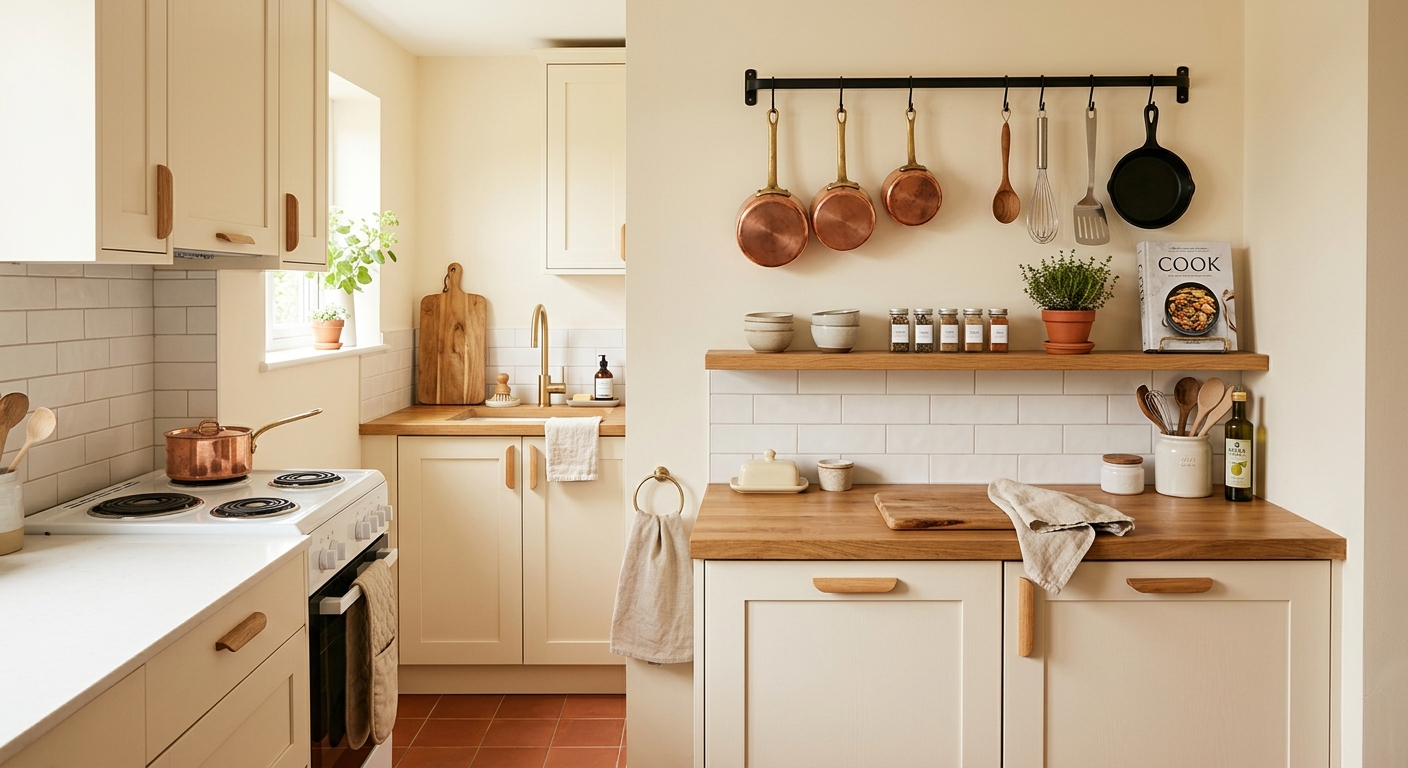
- Wall-mounted rails - Hang frequently used skillets within arm’s reach
Vertical vs. Hanging:
- Vertical stacking works best for lightweight stainless steel (under 3 lbs per pot)
- Hanging systems require 18" clearance but provide instant access
Most buyers miss this: Modular drawer inserts adapt as collections grow, preventing future reorganizations.
What Is the Best Way to Store Pots and Pans?
Hanging preserves non-stick coatings best, while stacking suits deep cabinets. Premium stainless steel racks hold 50 lbs [VERIFY: Cookware Manufacturers Association], but method choice depends on three factors:
| Method | Space Needed | Accessibility | Durability Impact | |
| -------------- | -------------- | --------------- | -------------------- | |
| Stacked | Minimal | Poor | 3x more scratches | |
| Hung | 18" clearance | Instant | Zero contact wear | |
| Drawers | Custom width | Moderate | Requires protectors |
Critical notes:
- Sliding cabinet systems need 22" depth for 12" pans
- Silicone pan protectors reduce stacked scratches by 80% [VERIFY: Kitchenware Labs test]
- Overhead racks require ceiling studs for loads over 20 lbs
The trade-off is straightforward: Commercial-grade racks outperform DIY solutions for heavy cast iron.
How Do You Store Pot Lids Neatly?
Dedicated lid racks or file sorters prevent 90% of cabinet clutter. Standard lids range from 8–12 inches in diameter, fitting three solutions:
1. Magnetic strips
- Holds 4–6 steel lids per 12" strip
- Requires 1/2" wall clearance
2. Tiered shelf dividers
- Creates vertical lanes in cabinets
- Fits 8 lids in 12" width
3. Adhesive hooks
- Supports 2 lbs per hook
- Ideal for cabinet doors
Practical issue: Glass lids need felt pads between them (sold separately) to prevent chipping.
Should Pots and Pans Be Stacked or Hung?
Hanging is superior for non-stick pans, while stacking works for stainless steel. Stacking triples scratch risk on coated surfaces [VERIFY: Cookware Manufacturers Association], but consider:
- Weight limits: Most hanging systems max out at 75 lbs
- Access frequency: Daily-use skillets deserve prime hanging real estate
- Cabinet depth: Stacking requires 16"+ for 12" pans
Worth knowing: Handling tools reduce drops that damage stacked cookware.
Which Cookware Storage Solutions Work for Heavy Cast Iron?
Wrought iron racks or countertop stands handle 15 lb skillets safely. Standard solutions fail because:
- Wire racks bend under 10 lbs
- Particle board shelves warp over time
- Plastic organizers crack
Heavy-duty options:
- Enameled cast iron stands (Holds 25 lbs per tier)
- Commercial pot racks (50–75 lb capacity)
- Reinforced drawer systems (Requires 100 lb slides)
That changes depending on your collection size: Full sets need 24" wide racks.
What’s the Bottom Line on Cookware Storage Organization?
Optimize based on cookware type, kitchen size, and access frequency.
- Vertical racks save 40% space in small kitchens [VERIFY: Real Simple magazine test]
- Silicone protectors are mandatory for stacked non-stick pans
- Lid organizers should match your most-used lid diameter
Modular systems adapt as collections grow without complete overhauls.