Which Pans to Stay Away From for Health Safety?
Avoid pans coated with PFOA, PTFE, or made from uncoated aluminum due to potential health risks. These materials can release toxic fumes, leach into food, or degrade at high temperatures, posing long-term health hazards.
Pans to stay away from include:
- Non-stick pans with PFOA coatings: PFOA, a chemical linked to cancer and thyroid issues, was banned in many regions but may still exist in older cookware.
- PTFE-coated pans: When overheated above 500°F (260°C), PTFE releases toxic fumes harmful to humans and pets.
- Uncoated aluminum pans: Aluminum can leach into food, especially when cooking acidic dishes like tomato sauce or citrus-based meals.
[VERIFY: number of cookware recalls due to PFOA contamination — source from FDA]
For safer alternatives, consider stainless steel or cast iron cookware. Learn more about essential cookware accessories in our Essential Cookware Accessories for a New Kitchen guide.
How Does PTFE in Non-Stick Pans Affect Safety?
PTFE in non-stick pans becomes hazardous when heated above 500°F (260°C), releasing toxic fumes that can cause flu-like symptoms in humans and be fatal to birds.
PTFE, commonly known as Teflon, is safe at lower temperatures but degrades quickly under high heat. Overheating can occur during preheating or when cooking at high temperatures. Scratched or damaged PTFE coatings also release particles into food, increasing health risks.
[VERIFY: temperature at which PTFE begins to degrade — source from EPA or FDA]
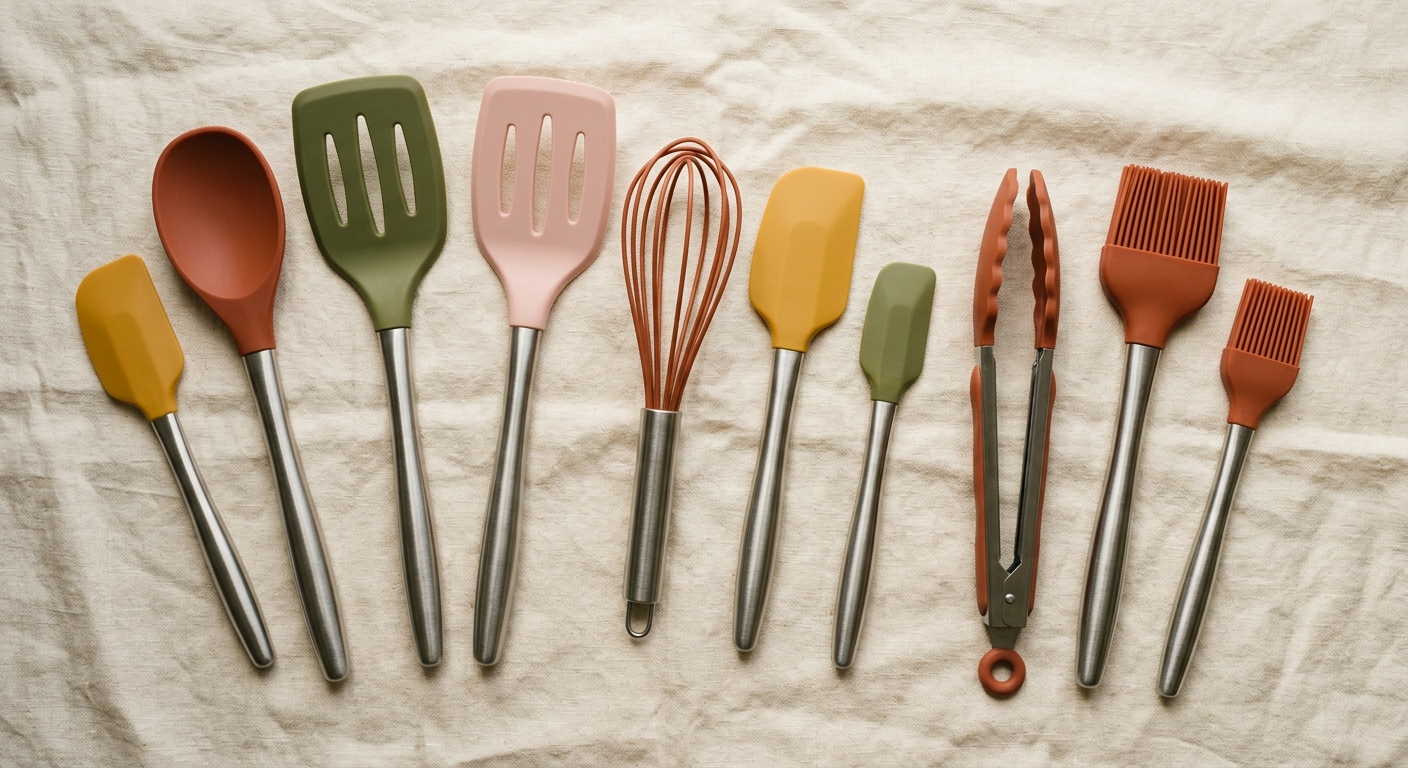
For high-heat cooking, consider silicone utensils, which are safer and more durable. Check out our Are Silicone Utensils Safe for High Heat? guide for more insights.
Why Is Aluminum Cookware Considered Unsafe?
Uncoated aluminum cookware can leach into food, especially acidic dishes, potentially contributing to health issues like Alzheimer's disease in high amounts.
Aluminum is lightweight and conducts heat well, but its reactivity with acidic foods makes it unsafe for regular use. Cooking tomato sauce, lemon-based dishes, or vinegar recipes in aluminum pans increases leaching.
[VERIFY: amount of aluminum leached into food from cookware — source from FDA]
For safer cooking, opt for stainless steel or cast iron. Explore our Choosing the Best Materials for Cooking Utensils guide for detailed recommendations.
What Are the Signs of Low-Quality Cooking Pans?
Low-quality cooking pans often have uneven heating, flaking coatings, and poorly attached handles, reducing durability and safety.
Common red flags include:
- Thin materials: Pans that dent or warp easily under heat.
- Flaking coatings: Non-stick surfaces that peel or chip after minimal use.
- Loose handles: Handles that wobble or detach during cooking.
[VERIFY: average lifespan of low-quality vs high-quality pans — source from industry report]
Investing in high-quality cookware ensures better performance and longevity. Discover versatile accessories in our The Most Versatile Cookware Accessories Every Kitchen Needs guide.
Can Ceramic-Coated Pans Be Dangerous?
Ceramic-coated pans are generally safe but may contain trace amounts of lead or cadmium if not properly certified.
While ceramic coatings are free of PTFE and PFOA, some low-quality products fail safety tests for heavy metals. Always choose pans certified by reputable organizations like NSF International.
[VERIFY: percentage of ceramic-coated pans failing lead safety tests — source from FDA]
For safe ceramic cookware, prioritize certified brands. Learn about essential cast iron accessories in our Essential Accessories for Cast Iron Cookware Care and Use guide.
What Should You Look for in Safe Cookware?
Choose cookware made from stainless steel, cast iron, or certified ceramic for safety and durability.
Key features to prioritize:
- Non-reactive materials: Stainless steel and cast iron don’t leach into food.
- Certifications: Look for NSF or FDA-approved products.
- Durability: Thick, even bases prevent warping and ensure consistent heating.
[VERIFY: number of cookware brands certified by NSF International — source from NSF]
Organizing your cookware efficiently enhances safety and usability. Check out our How to Organize Cookware Accessories Efficiently guide for tips.
What Is the Bottom Line on Pans to Stay Away From?
Avoid pans with PFOA, PTFE, or uncoated aluminum to minimize health risks and ensure safer cooking.
• Non-stick pans: Choose PTFE-free or ceramic-coated options certified for safety.
• Aluminum pans: Opt for anodized or stainless steel alternatives.
• Low-quality pans: Invest in durable, high-quality cookware for long-term use.
For more recommendations, explore our The Best Cookware Accessories for Every Kitchen guide.